Nantong Yunju New Material Technology Co., Ltd.
is China Marble Wall Panel Suppliers and Marble Look Wall Panels Manufacturers, located in Haian, Jiangsu — the cradle of Jianghai Civilization. Established in 2021, the company specializes in the R&D, production, sales, and service of ultra-thin stone. As a modern innovative enterprise, it occupies a land area of 60 mu and is committed to delivering superior stone solutions to the market, supported by strong in-house R&D capabilities and advanced production techniques.
Firma posiada wiele patentów na wynalazki i wzory użytkowe oraz zgromadziła doświadczony zespół specjalistów technicznych i zarządzających. Podstawowy zespół składa się z 6 wyspecjalizowanych techników zajmujących się cienkim kamieniem, 50 wykwalifikowanych pracowników, 5 specjalistów ds. kontroli jakości, 6 pracowników zarządzających produkcją i 5 przedstawicieli handlowych, zapewniających solidne wsparcie zasobów ludzkich w zakresie rozwoju produktu, produkcji i kompleksowego zapewniania jakości.
Wyposażeni w ponad 30 zestawów specjalistycznych maszyn, opracowaliśmy usprawniony i wydajny proces produkcyjny od surowych bloków po gotowe produkty. W ciągu nieco ponad dwóch lat działalności nasze roczne zdolności produkcyjne osiągnęły około 300 000 metrów kwadratowych. Zostaliśmy wyznaczonym dostawcą kamienia dla ponad 20 krajowych i międzynarodowych producentów mebli. Ponadto nawiązaliśmy stabilną współpracę z licznymi instytutami projektowymi i firmami dekoracyjnymi, dostarczając wysokiej jakości ultracienkie materiały kompozytowe z kamienia i marmuru do różnych kluczowych projektów.

Marble Look Wall Panels Manufacturers
-
 Panele ścienne z marmuru Carara
 to wysokiej klasy materiał dekoracy...
-
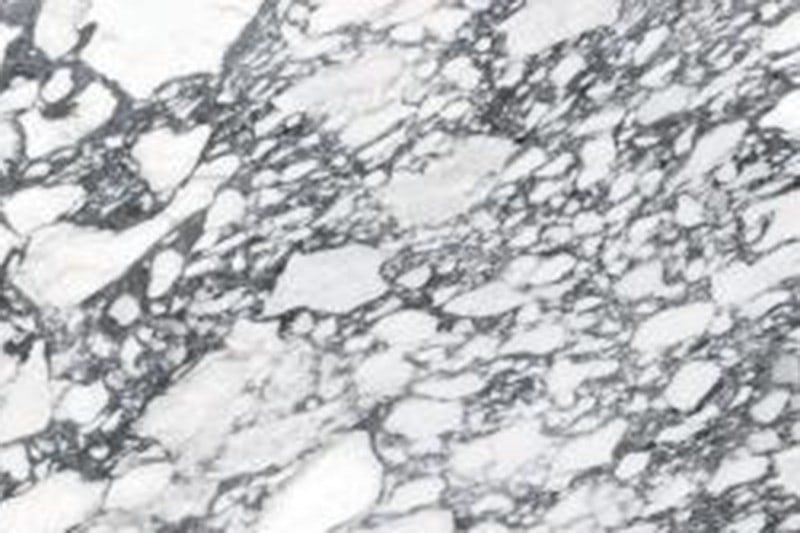 Marmurowe panele ścienne Arabescato Carara
Marmurowe panele ścienne Arabescato carara to wyjątkowy i wysokiej ...
-
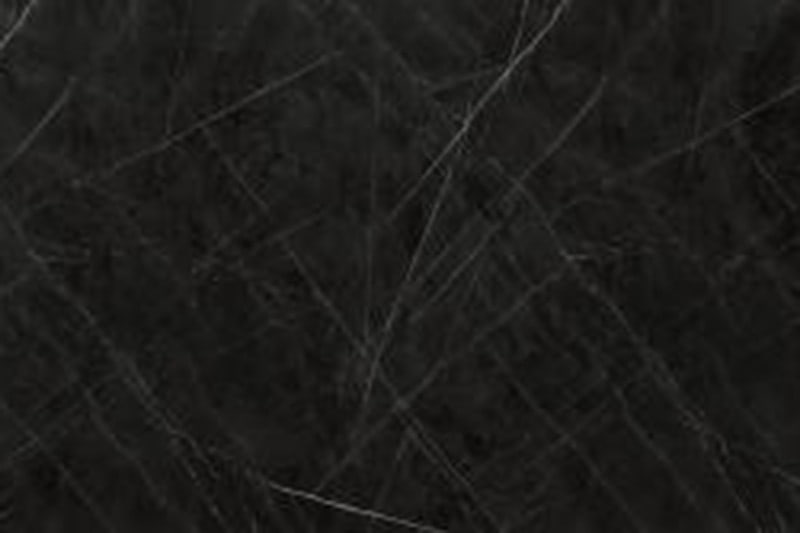 Marmurowe panele ścienne Nero Margiua
Marmur Nero marquina to jeden z najbardziej luksusowych i poszukiwa...
-
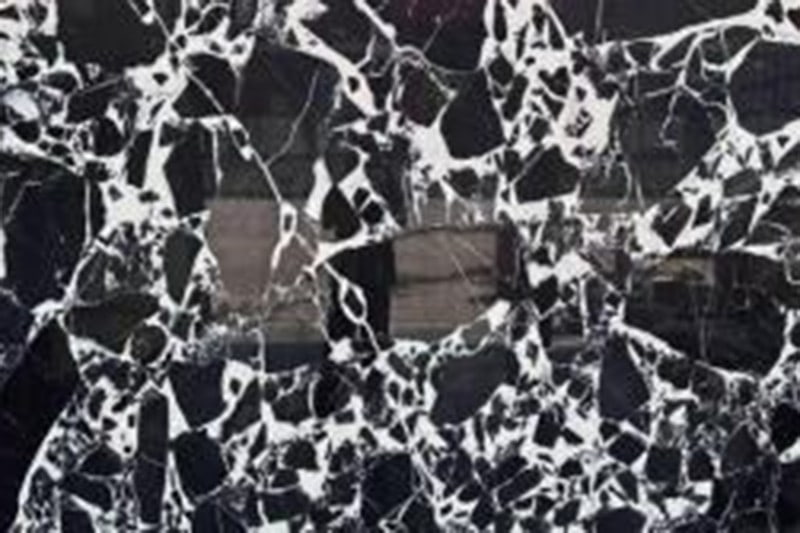 Wielkie antyczne marmurowe panele ścienne
Podnieś estetykę swojej przestrzeni dzięki naszym wspaniałym, zabyt...
Marmurowe panele ścienne są uosobieniem luksusu i elegancji, przekształcając każdą przestrzeń w wyrafinowaną przystań. Panele te oferują ponadczasowe piękno naturalnego marmuru z dodatkowymi zaletami nowoczesnej technologii. Dzięki maksymalnym rozmiarom do 3000*1600 mm panele te mogą płynnie pokrywać duże obszary, tworząc oszałamiający efekt wizualny. Duże wymiary pozwalają na mniejszą liczbę połączeń i bardziej jednolity wygląd, co jest idealne zarówno do zastosowań mieszkaniowych, jak i komercyjnych.
Panele wykonane z kamiennego materiału kompozytowego PET o grubości 3 mm łączą w sobie trwałość i lekkość, co czyni je doskonałym wyborem zarówno do instalacji pionowych, jak i poziomych. Zaawansowana struktura kompozytowa nie tylko podnosi jakość estetyczną, ale także zapewnia doskonałą odporność na zużycie, zapewniając długotrwałą inwestycję w wystrój wnętrza.
Tym, co wyróżnia marmurowe panele ścienne, jest ich wszechstronność w montażu. Niezależnie od tego, czy wolisz metodę wieszania na sucho, czy klejenia na mokro, panele te obsługują obie metody, oszczędzając czas i wysiłek podczas instalacji. Lekki charakter materiału kompozytowego ułatwia obsługę, zmniejszając potrzebę dodatkowego wsparcia strukturalnego, zachowując jednocześnie wytrzymałość i stabilność.
Wiadomość zwrotna
Firma
Nantong Yunju New Material Technology Co., Ltd.
Wiadomości
-
Twój klient chce marmurowego stołu do jadalni z trzymetrowym blatem, dwoma zakrzywionymi cokołami i wzorem żyłek przypominającym książkę, który rozciąga się na całej powierzchni. Wierzch można wykonać za pomocą konwencjonalnej płyty o grubości 20 mm, ale zakrzywiona krawędź wymagałaby ciężkiej stalowej ramy, a ca...
READ MORE -
Kiedy planujesz remont lobby hotelowego lub wprowadzasz na rynek nową linię mebli kamiennych, wybrana przez Ciebie fabryka obróbki marmuru staje się równie ważna jak sam kamień. Fabryka o słabej kontroli procesu zamieni naturalny marmur najwyższej jakości w popękane krawędzie, niedopasowane wzory żył i opóźnienia...
READ MORE -
Wyceń marmurowy panel ścienny do holu z windą hotelową, a figurą, która zwykle rujnuje budżet, nie jest kamień. To jest waga. Jeden metr kwadratowy płyty Carrara o grubości 20 mm waży około 54 kg. Pokryj tę samą ścianę 3-milimetrowym fornirem marmurowym połączonym z aluminiowym rdzeniem o strukturze plastra miodu...
READ MORE
Marmurowe panele ścienne Industry knowledge
Structural and Operational Comparison Between Composite Marble Wall Panels and Dimensional Marble Slabs
Load Reduction and Building Structural Integration
Traditional stone wall claddings utilize full-thickness dimensional slabs measuring between 18mm and 30mm. These heavy masonry units create structural dead loads on building foundations, floor plates, and structural walls, often requiring heavy-duty steel channel anchors and reinforced concrete substrates to prevent mechanical failure. Lightweight marble wall panels modify these structural parameters by integrating ultra-thin natural stone slices—typically 1mm to 3mm thick—onto high-strength backing cores such as aluminum honeycomb, fiberglass mesh, or fiber cement boards. This engineered construction reduces total surface mass from roughly 50 to 75 kilograms per square meter down to 3.5 to 8 kilograms per square meter.
The reduction in dead weight expands structural design possibilities across high-rise developments, interior partitions, and retrofit projects. Heavy stone installations are often prohibited on standard interior drywall framing due to load limitations. Modern stone processing, such as the ultra-thin lamination methods advanced by materials developers like Nantong Yunju New Material Technology Co., Ltd., allows large-format marble wall panels to be mounted directly onto standard drywall, wood studs, or existing tile walls using structural adhesives rather than heavy mechanical iron brackets. This simplifies wall prep and lowers the total weight burden on primary building frames.
Flexural Resilience and Resistance to Impact Damage
Dimensional stone slabs exhibit high compressive strength but limited flexural tolerance, making solid 20mm panels prone to brittle fracture along natural calcite veins when exposed to shear stress, thermal movement, or structural deflection. Composite marble wall panels address this physical limitation through multi-layer tensile engineering. The underlying substrate acts as an energy-absorbing core, distributing localized kinetic energy across the panel rather than allowing stress to concentrate along internal geological fault lines.
By shifting the bending axis away from the brittle stone face and into the resilient backing, engineered wall assemblies offer elevated resistance to point impacts and structural shaking. In commercial corridors, elevator lobbies, and high-traffic public spaces where wall surfaces face frequent contact with luggage, carts, and equipment, composite marble wall panels maintain surface integrity without suffering the sudden cracking or corner chipping common to solid stone slabs.
| Engineering Attribute | Solid Dimensional Stone Slab (20mm) | Composite Marble Wall Panel (2mm Stone + Core) |
|---|---|---|
| Unit Areal Mass | 45 to 75 kg/m² | 3.5 to 8.5 kg/m² |
| Primary Anchoring System | Heavy stainless steel brackets / thick mortar bed | Polyurethane structural adhesive / concealed cleats |
| Flexural Deflection Behavior | Brittle (Snaps easily along natural veins) | Resilient (Composite core absorbs shear stress) |
| Substrate Compatibility | Concrete, brick, heavy steel frame | Drywall, plywood, MDF, concrete, existing tiles |
| Impact Energy Dissipation | Low (Stress concentrates along fault lines) | High (Core redistributes point loads) |
Quarry Yield Efficiency and Environmental Resource Management
Extracting solid stone slabs from natural quarries involves finite mineral reserves and high processing waste. Traditional gang-saw slitting converts a substantial portion of raw stone blocks into unusable stone slurry during multi-pass cutting operations. Advanced mechanical slicing technology maximizes block yield by extracting dozens of ultra-thin stone veneers from the exact volume of raw block material that would traditionally produce only a few thick slabs. This material extraction efficiency increases the total surface output derived from every quarried block.
For large-scale architectural projects requiring extensive wall cladding, optimized block yield improves pattern matching and color consistency. Because sequential thin stone sheets originate from the same block section, background tones and veining flow remain aligned across adjacent panels. Enterprise fabricators, including Nantong Yunju New Material Technology Co., Ltd. from its 60 mu production site in Haian, leverage precision block slicing to supply high-volume commercial shipments that maintain tight visual consistency across large wall spans.
Logistical Optimization and Installation Efficiency
Logistical management for heavy traditional slabs presents challenges during maritime transit, road transport, and site handling. Freight shipping containers carrying 20mm natural stone slabs hit maximum weight limits long before utilizing total spatial volume, driving up transport costs per square meter. Lightweight marble wall panels dramatically alter shipping payload density, enabling up to seven to nine times more square meters of stone cladding to fit into a single freight shipment, thereby lowering shipping overhead and carbon emissions per unit area.
On-site installation workflows are similarly transformed by lighter panel mass. Setting heavy 20mm marble wall slabs requires multi-worker hoisting teams, specialized rigging equipment, and temporary floor supports while mechanical anchors are secured. In contrast, composite marble wall panels can be handled, aligned, and trimmed by one or two installers using standard woodworking tools and fast-curing adhesive systems. Technical innovations from regional stone specialists, such as Nantong Yunju New Material Technology Co., Ltd., provide thin panel systems that shorten installation timelines and lower job-site labor requirements.
| Logistical & On-Site Variable | Traditional Solid Slab Installation | Composite Wall Panel Installation |
|---|---|---|
| Container Freight Yield | Approx. 400 to 500 m² per shipment | Approx. 3,000 to 4,000 m² per shipment |
| On-Site Workcrew Requirement | 3 to 5 workers plus mechanical lifting rigs | 1 to 2 workers (manual handling) |
| Field Cutting & Trimming | Wet diamond saw with continuous water supply | Standard table saw, shears, or angle grinder |
| Installation Speed | Slow (Requires mechanical anchor fitting) | Rapid (Direct adhesive bonding or track systems) |
| Freight Cost per Square Meter | Higher due to extreme weight density | Lower due to maximized volumetric payload |
Thermal Insulation and Backlit Optical Possibilities
Beyond structural mass and transport advantages, composite marble wall panels provide expanded functional capabilities regarding thermal performance and interior lighting. Heavy stone slabs act as dense thermal conductors that absorb ambient room heat slowly, offering minimal insulation value to exterior wall envelopes. Composite wall panels featuring expanded foam, honeycomb cores, or insulated backings provide built-in thermal resistance, helping stabilize interior room temperatures when applied as exterior curtain walls or perimeter lining.
Furthermore, specific varieties of translucent marble wall panels—sliced to ultra-thin profiles and bonded to clear glass, polycarbonate, or acrylic backings—allow backlighting integration. While traditional 20mm slabs are entirely opaque, translucent thin stone sheets allow diffuse light to penetrate through the calcite matrix, creating illuminated feature walls, elevator lobbies, and ambient reception surfaces without requiring manual job-site grinding or custom thinning.
FAQ
Q: How do composite lightweight marble wall panels eliminate the need for heavy steel anchor systems during high-rise wall installations?
A: Traditional 20mm solid stone slabs create significant dead load, necessitating heavy stainless steel channel anchors and reinforced sub-framing. By bonding an ultra-thin stone veneer to a lightweight core like aluminum honeycomb or fiber cement, panel weight is reduced by up to 80 percent. This allows the panels to be mounted directly onto standard drywall framing or existing substrate using high-strength structural adhesives.
Q: What mechanical advantages do composite backing substrates provide against wall panel cracking caused by building settling?
A: Unreinforced solid marble is naturally brittle and easily snaps along geological fault lines during subtle structural shifts or thermal expansion. The multi-layer construction of composite panels acts as a flexible, shock-absorbing substrate. This distributes shear stress across the backing core, protecting the delicate natural stone face from localized stress cracking or joint failure.
Q: How do manufacturing techniques ensure visual color and veining continuity across extensive marble wall panel installations?
A: Because precision slicing extracts dozens of thin stone sheets sequentially from a single quarried block, grain variance between adjacent sheets is minimal. Production facilities—such as the advanced processing operations at Nantong Yunju New Material Technology Co., Ltd.—utilize digital sequence mapping to index these sequential veneers, allowing installers to execute seamless book-matching and continuous vein alignment across large wall spans.
Q: Can ultra-thin stone wall panel systems be utilized in wet environments like luxury showers and indoor swimming pools?
A: Yes, provided the panels receive proper factory sealing and moisture-impermeable core backings. During composite fabrication, deep vacuum-pressure resin impregnations fill micro-fissures within the calcite matrix, while waterproof backing materials prevent moisture from reaching the sub-wall, preventing water seepage, efflorescence, and mold growth behind bathroom walls.
Q: How does switching from traditional thick slabs to thin stone panels reduce overall job-site labor and freight expenses?
A: The low areal weight of thin wall panels allows up to seven times more square meters of material to fit inside a single shipping container, dramatically lowering transit cost per unit area. On-site, the lightweight panels eliminate the need for heavy mechanical hoisting rigs, allowing small installation crews to handle, cut, and mount the panels quickly using standard diamond-tipped woodworking tools.
Q: What options are available for creating illuminated or backlit feature walls using marble wall panels?
A: When ultra-thin natural stone veneers are laminated to transparent or translucent backings, such as tempered glass or clear acrylic sheets, light can pass directly through the crystalline structure of the marble. This creates glowing, backlit architectural surfaces that highlight the organic mineral veining without the prohibitive weight and opacity of thick stone slabs.
Q: What routine surface care is needed to maintain the polished finish on interior stone wall panels?
A: Maintenance involves dusting with a soft microfiber cloth and occasionally wiping the surface with a damp cloth and a mild pH-neutral stone cleaner. Because vertical wall panels experience far less abrasion and spill exposure than horizontal tabletops, the factory-applied sealer remains intact for extended periods, avoiding the need for frequent re-sealing or harsh chemical polishing.
Yunju
Kontakt
-
 56 Ronggang Road, nowy obszar Binhai, port Laoba, miasto Hai'an, miasto Nantong, prowincja Jiangsu
-
 [email protected]

Mobilny

Prawa autorskie ©Nantong Yunju New Material Technology Co., Ltd.Rights Reserved.
 Custom Marble Look Wall Panels Suppliers